A logo may look simple at first. But it carries real weight. People form quick opinions from small marks. They sense tone, mood, and style within seconds. To understand the purpose of a logo, we need to look at how it works in daily life. A logo shapes the first impression. It helps people remember your brand later. It becomes a small visual cue that stays in the mind.
Most of us see logos all day. We pass them on screens, signs, and packages. Yet we rarely stop to think about how they guide us. Let’s take a closer look and keep things clear and easy to follow.
Logos are Everywhere, but What are They Really?
Look around your desk or your phone screen. You will see marks, icons, and symbols. These logos help you navigate brands without much thought.
The True Meaning Behind a Logo
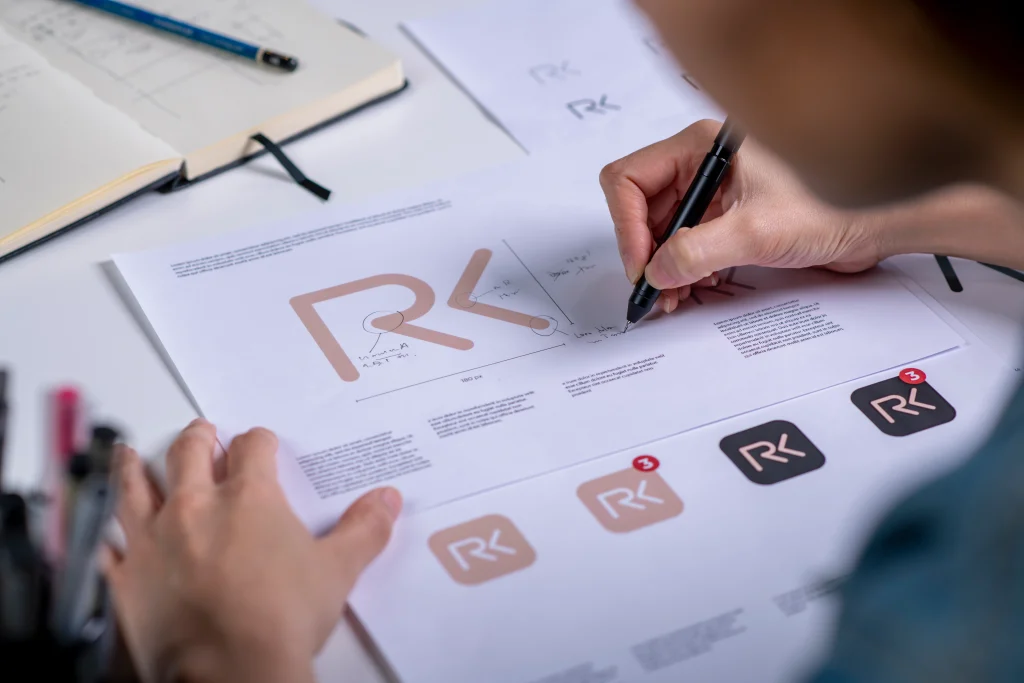
A logo is a visual identity. It represents a brand with one simple mark. It holds meaning through shape, color, and structure. It is not only a picture. It is a small story told through design.
A strong mark carries intention, but not every design succeeds. Why most logos fail often comes down to missing this deeper story — they look nice but say nothing. A logo that works must do more than decorate; it must communicate.
That’s the difference between forgettable designs and logos that sell. When a logo reflects purpose, emotion, and clarity, it becomes a tool that attracts customers and strengthens the brand from the very first glance.
Identity in a Single Mark
A strong mark shows personality. It reflects the tone of the brand. It tells a viewer what kind of style to expect. This is why designers study shape language and color harmony.
The Purpose of a Logo (The Real Reason it Exists)
Now we can look deeper into the purpose of a logo. It is not only decoration. It serves a clear and important goal for any brand.
It Helps People Recognize You Fast
Your audience moves quickly. They scan pages and shelves in seconds. A clear mark helps them find you fast. It cuts through the noise and gives them a point of focus.
It Builds Trust without Needing Words
People judge design fast. A clean mark feels honest. It shows care. It makes the viewer feel safe with the brand. This is why small details matter so much.
Micro-impressions that Stick
Simple shapes stay longer in memory. The human eye holds onto icons. This is why global brands use clean and bold forms.
It Sets the Tone for Your Entire Brand
A logo helps define the style of your brand. It sets a mood through color, spacing, and form. These elements guide the rest of your visual identity.
- Fonts
- Colors
- Layouts
- Icons
- Patterns
Each choice works together with the logo.
What Makes a Good Logo? (Clear Traits You Can Identify Instantly)
Now we look at what makes a good logo. A good logo feels clear, strong, and easy to recognize. Most strong marks share the same core traits.
Simplicity that Still Feels Strong
Simple shapes build fast recognition. They make the logo easy to scan. They help the mark stay sharp in every size.
The 1-Second Rule
You should understand a logo in one second. If you need to study it, the design may need more clarity.
Flexibility Across All Platforms
A strong logo works on shirts, signs, websites, and billboards. It must scale without losing detail. This trait guides much of the vector work.
A Visual Story that Matches the Brand
The design must match the tone of the business. A tech brand needs a different mark than a bakery. Fit matters. This match is a key part of what makes a good logo.
Logo Styles Explained (With Real-world Examples)
Different logo styles fit different brands. Knowing these styles helps you see what works best for your own identity.
Wordmarks
These logos use only text. Examples include Google and Coca-Cola. They work well for brands with unique names.
Wordmark strengths include:
- Easy recall
- Clear identity
- Strong link to brand name
Symbol Logos
These logos use a simple icon. Apple and Nike are well-known examples. Symbol marks work when the icon becomes tied to the story.
When Symbols Outgrow Words
Some marks become stronger than the name itself. This happens when the symbol becomes a global cue.
Combination Marks
These combine text and a symbol. Examples include Adidas and Burger King. They offer flexibility for many layouts.
DIY Logos v. Professional Logos
Many people try DIY tools. Some results look fine at first. But issues appear as the brand grows.
| Feature | DIY Logo | Professional Logo |
| Originality | Often basic | Thoughtful and unique |
| Scalability | Poor in small sizes | Clean at any size |
| Brand Message | Weak | Clear and focused |
| Longevity | Short lifespan | Built for years |
| Impact | Low | Strong recall |
DIY logos may not meet the purpose of a logo as the brand expands.
How Businesses Use Logos in the Real World
A logo must serve many roles. It needs to work in print and digital settings.

Physical Branding
Logos appear on signs, shirts, and packaging. Print work shows how strong lines help maintain clarity.
Why Materials Matter
Different surfaces affect color and sharpness. A good mark adapts to each one.
Digital Branding
Websites and apps need sharp icons. A logo must stay strong on bright screens and small spaces.
Social Media Presence
Profile icons are tiny. A busy logo will lose detail. Simple marks work best here.
Common Mistakes that Hurt a Logo
Some mistakes appear often. They weaken the design and confuse the viewer.
Too Many Details
Heavy detail does not scale well. It gets lost in small sizes.
Trendy Instead of Timeless
Trends fade fast. A strong mark holds up over time.
No Clear Message
A logo must say something true about the brand. Brands that miss this often forget what makes a good logo.
Final Takeaway
A logo stays with your brand for many years. It helps people remember you. It helps them trust you. It guides your identity and supports every part of your branding system. A strong mark stays powerful across many platforms. This is why the purpose of a logo matters today more than ever.
A well-made logo speaks for your brand all day. It carries your story in one small image. This is what makes a good logo and why it remains such an important tool.
If you want a logo that feels clear and honest, our team at Express Logo Designs can help. We design marks that fit your brand and stay strong in real use. Reach out when you are ready to build something that lasts.
Frequently Asked Questions
1. What is the main purpose of a logo?
The main purpose is to help people recognize a brand fast. A logo serves as a visual cue that stays in the mind. It also supports trust and sets the tone for the brand.
2. What makes a logo effective?
An effective logo is simple, clear, and easy to recall. It works in many sizes and settings. It also matches the brand’s style and message.
3. Do logos need symbols to work well?
No, they do not. Some brands use only text and still stand out. What matters most is clarity and fit, not the type of mark used.
4. Why do some logos last for many years?
Long-lasting logos avoid trends. They use clean shapes and strong ideas. This helps them stay relevant even as styles change.
5. Should small brands invest in a strong logo?
Yes, they should. A clear logo helps small brands build trust fast. It also makes marketing easier because it creates a steady look across all platforms.